The Not for Sale Story
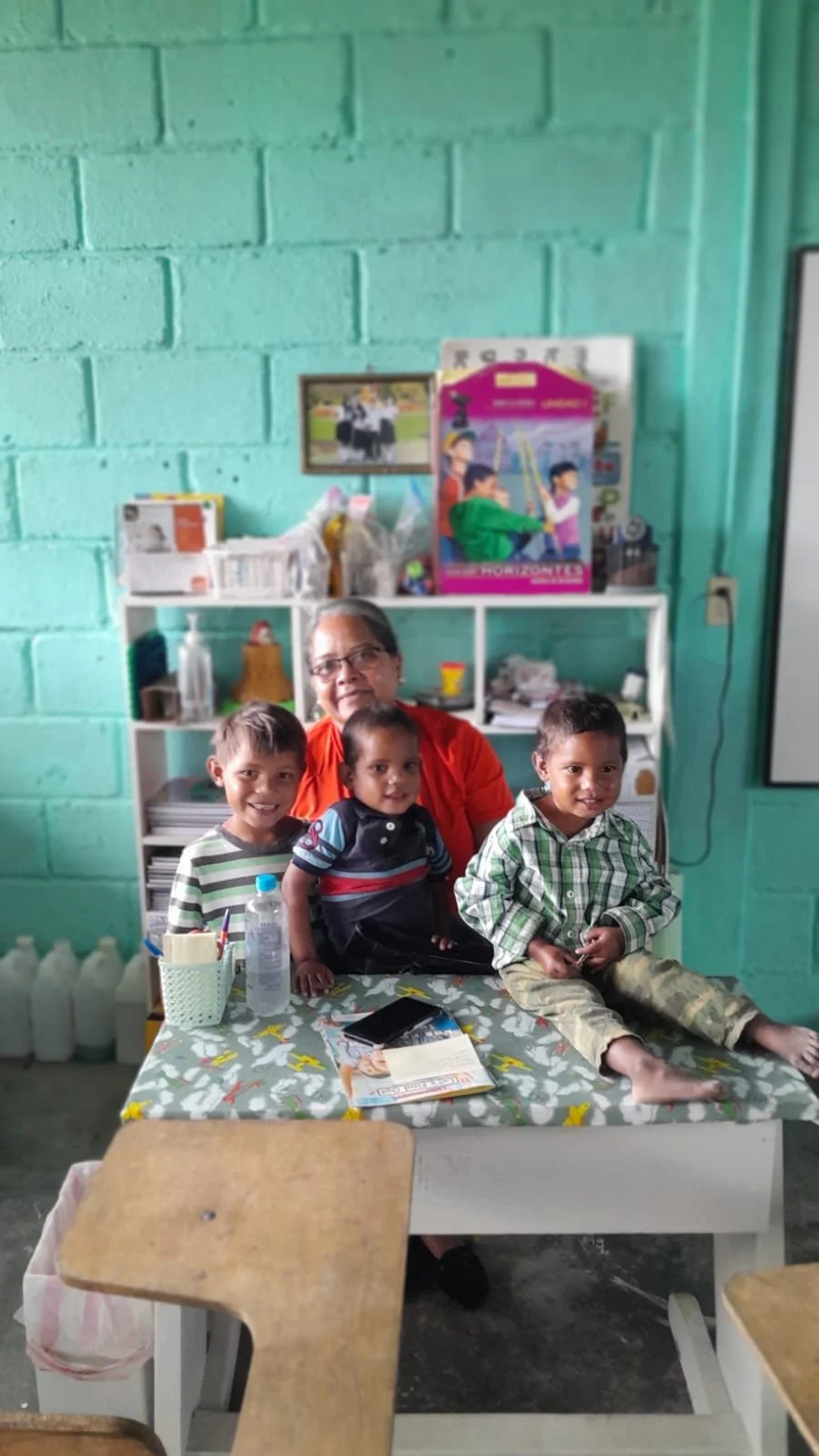
In 2018 a team of people traveled to Yoro, Honduras as part of a joined initiative to bring a water filter system providing clean water to a school community. During this trip two incredible leaders and teachers emerged from this community. Not for Sale was birthed as an effort to come around these leaders and partner with them to combat human trafficking and give these families another option. Since 2018 Not for Sale has grown their partnerships to include members of communities in San Pedro Sula and Yoro, Honduras. Not for Sale collaborates on a series of inititives dreamed up by community leaders as they identify what puts children and families at risk to human trafficking. Not for Sale operates under the belief that every human life is valuable and true change happens through relationships.
We hope you will join us in this adventure where every voice matters, every life is precious, and every dream is within reach. Not for Sale - because humanity is priceless.
Three statistics linking sex trafficking to unmet basic needs:
An estimated 6.3 million people worldwide are experiencing forced commercial sexual exploitation. The International Labor Organization identifies poverty, discrimination, and inadequate social protection as major conditions underlying forced labor and trafficking. When legitimate employment, food, healthcare, or financial assistance are unavailable, traffickers can exploit people with deceptive offers of work, money, or stability.
In a Polaris survivor survey, 64% of survivors reported homelessness or unstable housing when they were recruited into trafficking. Traffickers frequently exploit the immediate need for shelter by offering victims somewhere to live and then using that housing as a means of coercion and control.
Women and girls accounted for 61% of trafficking victims detected worldwide in 2022. Women and girls facing poverty may have fewer opportunities for education, safe employment, childcare, housing, and financial independence, increasing their vulnerability to recruitment for sexual exploitation.
Together, these statistics show that sex trafficking is not simply driven by individual choices or isolated criminal acts. It thrives where people lack safe housing, reliable income, food, healthcare, education, social support, and protection from violence. Meeting these basic needs can reduce the leverage traffickers use to recruit and control vulnerable individuals.